
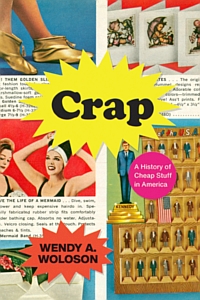
To uncover the motivation behind the purchase of millions of basically purpose-free small “crap” objects, Wendy Woloson describes in great detail the giant industry behind the “novelties” and “labor saving inventions” that actually are little more than useless cutlery, buttons, dolls and other commodities. Objects that were originally produced only to convince buyers that they […]
You are browsing archives for
Category: B. R. PopCulture
British Thrillers, 1950–1979 … by Franz Antony Clinton (2020)
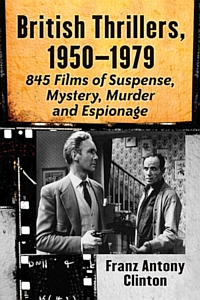
The era from the early 1950s to the mid-1960s probably was the busiest period of the British film industry. Many thrillers were shot in those years, including a great number of movies (and B movies) that often featured American actors; this arrangement would draw audiences to cinemas in England and simultaneously ensure interest for moviegoers […]
Psychobilly: Subcultural Survival by Kimberly Kattari (2020)
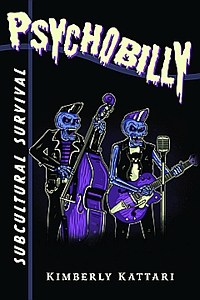
A 1980s blend of several earlier subcultures and youth movements such as punk, new wave, skinhead, rockabilly and even in part Goth, by the name of “psychobilly” is under the microscope here, mostly in an American context. The most important modern subcultures originated in England, so did psychobilly, with all the lore, idols, hangouts such […]
Law Enforcement in American Cinema, 1894-1952 by George Beck (2020)
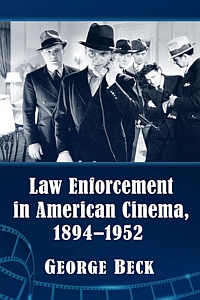
In this short title, author George Beck takes a close look at some movies of the first half of the twentieth century that employed representations of American law enforcement, starting with silent era productions and chronologically end with films noir. Five sections altogether and a final coda chapter on roughly 130 pages consider stereotypes, good […]
Ready Steady Go!: The Weekend Starts Here … by Andy Neill (2020)
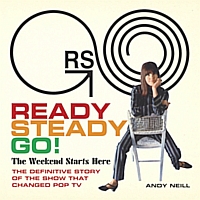
What was set up as a somewhat risky experiment featuring unusual approaches towards audiences, concepts and TV viewing habits, the live broadcast of the London based production Ready, Steady, Go! became probably the best pop TV show ever. As it united a fresh concept of live music (although until 1965, bands were only miming their […]
Representations of Working-Class Masculinities in Post-War British Culture: The Left Behind by Matth...
When considering his main subjects, author Matthew Crowley emphasizes that there are many different ways to live a certain working-class masculinity, as there never was just one single “traditional” experience or one simple, unified path that would lead to such an experience for every English male working-class person in the mid-20th century. In his study […]
London Life. The Magazine of the Swinging Sixties by Simon Wells (ed.) (2020)
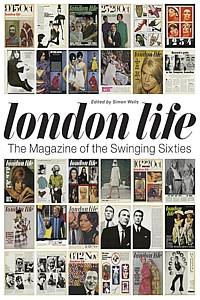
A so far unparalleled team of talented artists, publishing pros and design specialists in their respective fields, like Peter Akhurst, Jean Shrimpton, David Hockney, and regular contributors such as Joe Meek, Eric Burdon, and Marc Bolan for a short while were all connected to England’s probably most advanced magazine of the 1960s, London Life. It […]
The Social Life of Sound by Sophia Maalsen (2019)
Many publications of the last 30 or so years have dealt with the social life (or interaction) of almost anything from objects, commodities to video games. Here comes one more title, it has the focus on the nature, social abilities and creative power of popular music, or rather, it is on music that was re-discovered, […]
Dreams Unreal: The Genesis of the Psychedelic Rock Poster by Titus O’Brien et al. (2020)
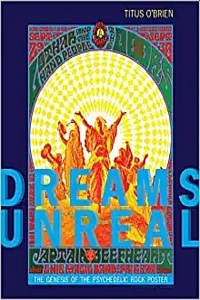
Thanks to a handful of creative poster artists and their large fan groups, many rock concert posters of the late 1960s that today are rightfully considered art, rather than mere advertisements, their most intriguing aspect then and now were the posters’ strong display of psychedelic arrangements, drug-influenced ways of perceiving shapes, names and graphic objects. […]